When Everyone Can Build, What Matters?

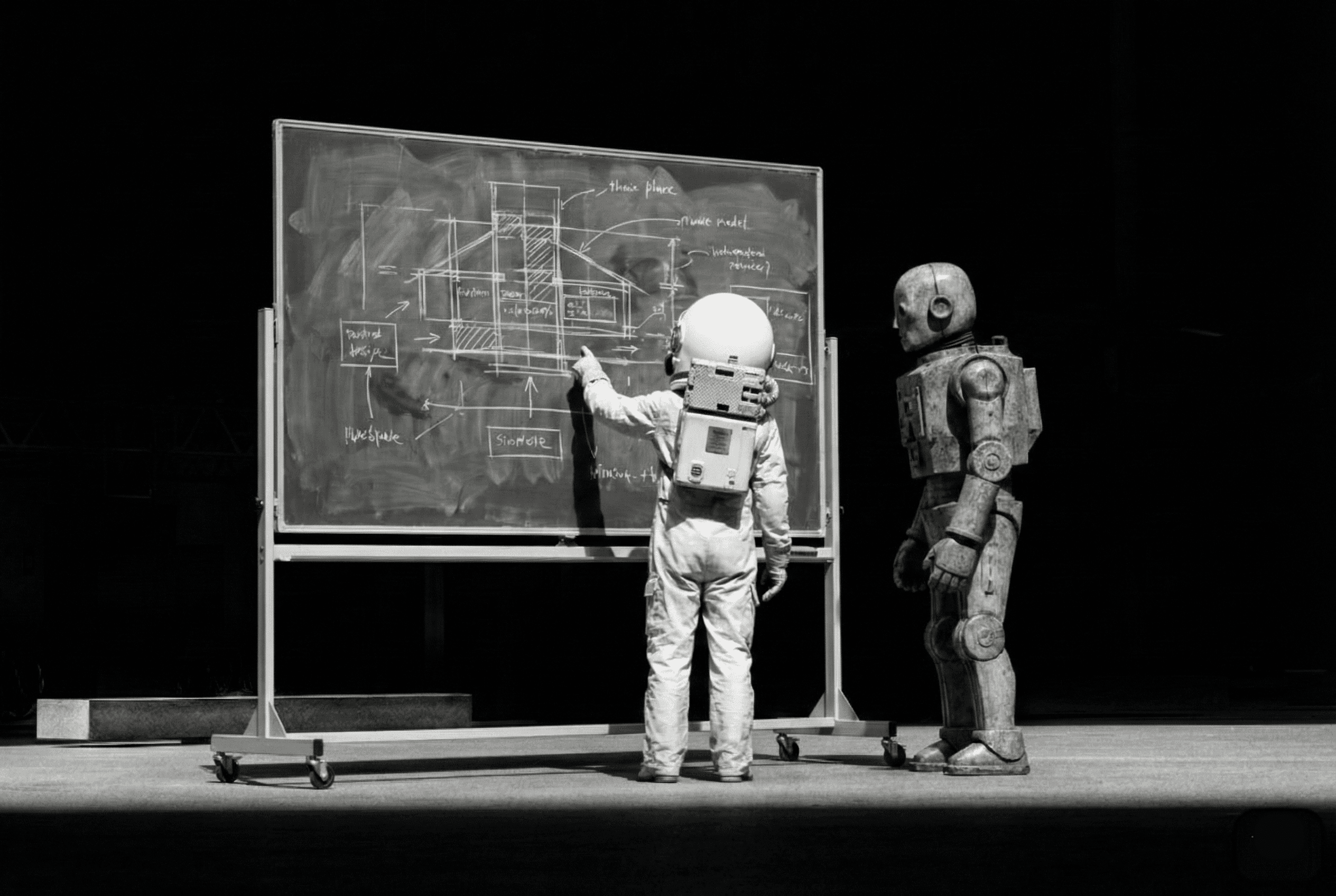
Independent researchers at AI-2027.com have been mapping the timeline for superhuman AI. Their forecast puts 2027 among the most likely years for superhuman coding to arrive. Not "better than junior developers." Actually superhuman.
Their median estimate is 2030. But 2027 keeps showing up across independent forecasts with substantial probability.
My first reaction was to roll my eyes. Another "everything changes by X year" prediction. But then I sat with it. If abundance in capability becomes real, there will be no shortage of tools, apps, and solutions coded to impressive levels. Everyone ships.
In a world of abundant ability, what matters? When everyone can build, what differentiates?
I immediately thought of Rick Rubin. The legendary music producer. Johnny Cash. Jay-Z. RHCP. He sits in the studio and listens. He doesn't play instruments. And somehow, albums that go through him come out different. Better.
Rubin wrote about his approach in The Creative Act. Four phases. First, gather. Absorb from the world. Let intuition guide without imposing structure. Second, experiment. Create freely, knowing most of it won't be good. Third, craft. Start making hard choices about what stays. Finally, complete. Share it. Move on.
Notice what's missing from that process: technical execution. Someone else plays the guitar. Someone else runs the mixing board. It's his ability to know which seeds to water. Which experiments to pursue. Which cuts to make. When it's done.
But what he's known for and why artists seek him out is his taste.
Taste is the sum of everything you've lived through in this physical world, distilled into a sense of what feels right and what doesn't. The feeling in your gut when something clicks and the pit when it doesn't.
Everyone has taste. But not everyone takes the time to understand what theirs is. And fewer still can translate it into consistent creative decisions.
In 2027, humans who know their own taste and trust their judgment will be the ones who are able to wade through the noise. Who surface what's genuinely impactful. What's useful. What sells.
The Producer's Chair
Many of us in technology learned what got rewarded: master the stack, ship fast, handle the fire. Taste came later. If at all. But that model breaks down when AI can do all of "building" better than any human.
Someone still has to sit in the producer's chair. That's where the work shifts. It's a person who can sit between the human and the idea and understand what problem actually needs solving. It's knowing when a solution is elegant versus when it's just clever. It's having the judgment to say "we could build that, but we shouldn't" or "let's build this smaller thing first."
Dr. Malcolm was right:
"They were so preoccupied with whether or not they could, they didn't stop to think if they should"
In a world where technical ability becomes abundant, ideas will jump straight from one's brain to reality. "Can we build it?" stops being the question. "Should we?" becomes everything. Judgment picks the project. Taste shapes what it becomes.
Low cost doesn't mean low consequence. Half-baked ideas still cost creative energy and attention. And that's just the invisible costs.
Look at AI-generated video. The slop is everywhere. Videos created to garner clicks without adding anything to the conversation. Not everything needs to be meaningful. But the ratio of noise to signal has shifted hard. These videos bury what's actually good, and make it harder for good work to get found.
If in 2027 we have abundant access to create code-driven technology, we'll have the same problem. Tools and software all claiming to solve similar problems with varying effectiveness. The energy required to sift through the horde of registration pages will be exhausting. Everyone will have a startup.
That's the risk. Not that we can't build anything, but that we build everything.
Whether to build or not to build requires sound judgment. Understanding the problem landscape. Knowing the difference between a solution that creates value and one that just creates activity. The discipline to say no. Someone sitting in that producer's chair, asking why.
Before 2027, we were limited by capability. We had to be selective because we couldn't build everything. After 2027, we'll have to choose to be selective. That's the shift.
Judgment becomes the skill. Taste becomes the scarce resource.
The Signal
Anthropic recently released Opus 4.5. An engineer from Anthropic posted on X the day of the release:
...maybe as soon as the first half of next year: software engineering is done.
Whether that proves true or not remains to be seen. But it mirrors what the researchers at AI-2027 have been forecasting. Maybe this wasn't as hypothetical as I thought. If that engineer is right, only one thing separates us from the machines: taste.
This is the signal to look inward. Understand what makes your taste yours. Learn how to translate that into what you create.
If you're in tech, ask different questions before you build. Sit with what felt right today and what didn't. Not just in your work - in your life. That's where taste comes from.
Step into the producer's chair. Create beautiful things that solve real problems, not just more tools adding to the pile. What makes sense long term. What makes you feel something. Becoming a successful producer requires knowing your own taste and trusting your intuition.
Here's what's at stake: we're about to have superhuman capability without superhuman judgment. The flood is coming, and what we build with it matters.
Rick Rubin didn't sing the song or play the instruments. But he knew what he was listening for. By 2027, we all get that chair. The question is whether we know our own ears well enough to use it.